A water heater is a crucial part of every home and every commercial building. The choice between electric and gas is not about which is better in the abstract — it is about which matches your demand. Three differences decide it.
1. Recovery rate — how fast hot water comes back
Recovery rate is how quickly a heater can bring fresh cold water up to temperature.
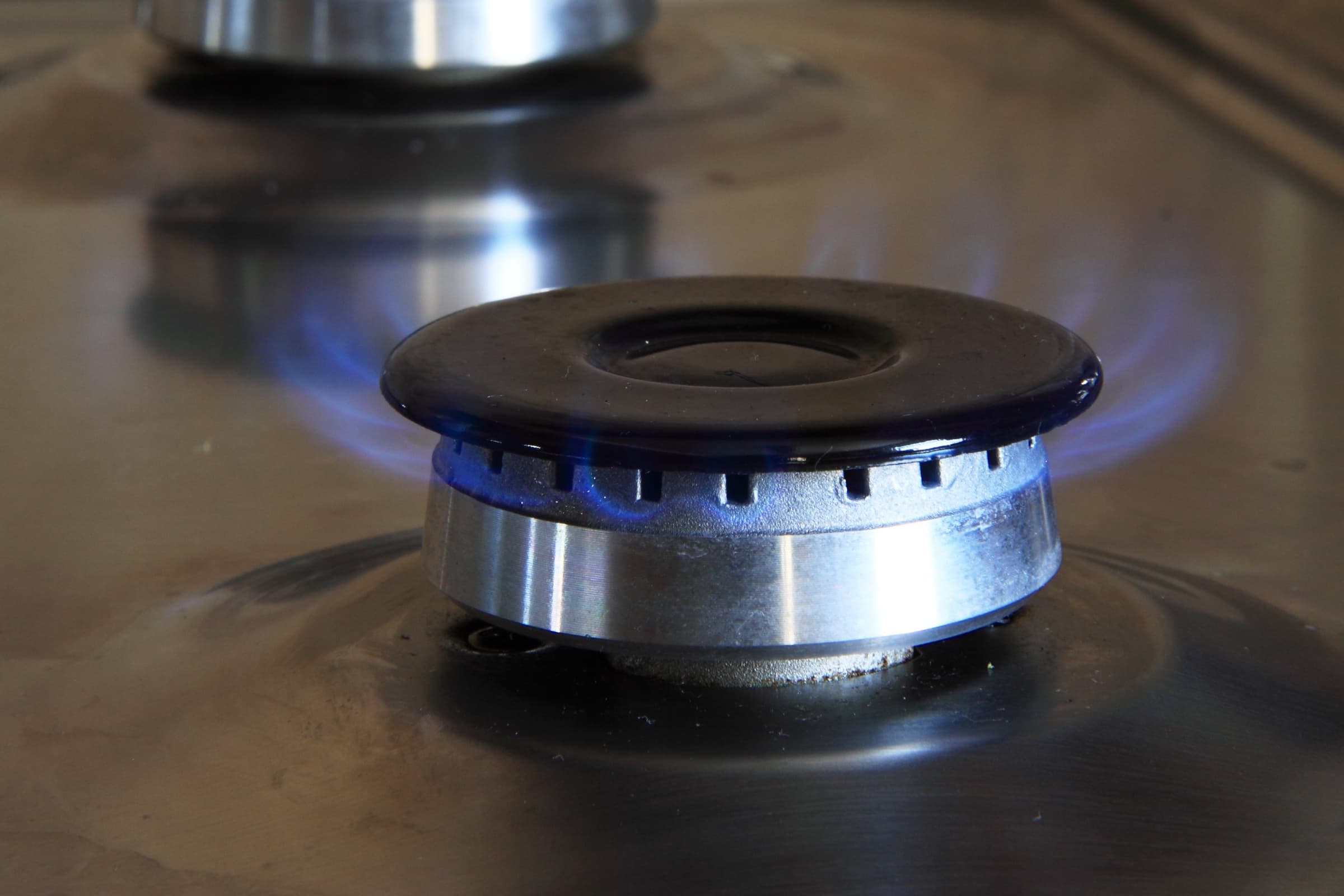
A gas burner puts far more energy into water per minute than a domestic electric element. In practice a gas heater of a given size recovers roughly twice as fast as its electric equivalent. Once the hot water in a tank is used, gas refills it sooner.
This matters when several outlets run at once, or when demand arrives in a burst — a hotel's morning peak, a laundry's wash cycles, a restaurant's close-down clean.
2. Running cost — and where it goes
Electricity generally costs more per unit of heat delivered than gas does, so a gas system usually costs less to run at the same output. Against that, gas equipment costs more to install: it needs a gas supply, flueing and ventilation, and it needs servicing.
The picture changes again with a heat pump, which uses electricity but moves heat rather than generating it, and so can undercut both on running cost where demand is steady enough to justify it.
The honest answer is that the sums depend on your tariff, your daily volume and how peaky the demand is. It is worth doing them properly before committing.
3. Installation and siting
An electric heater needs a suitable circuit and little else, so it can go almost anywhere — under a sink, in a riser, in a bathroom.
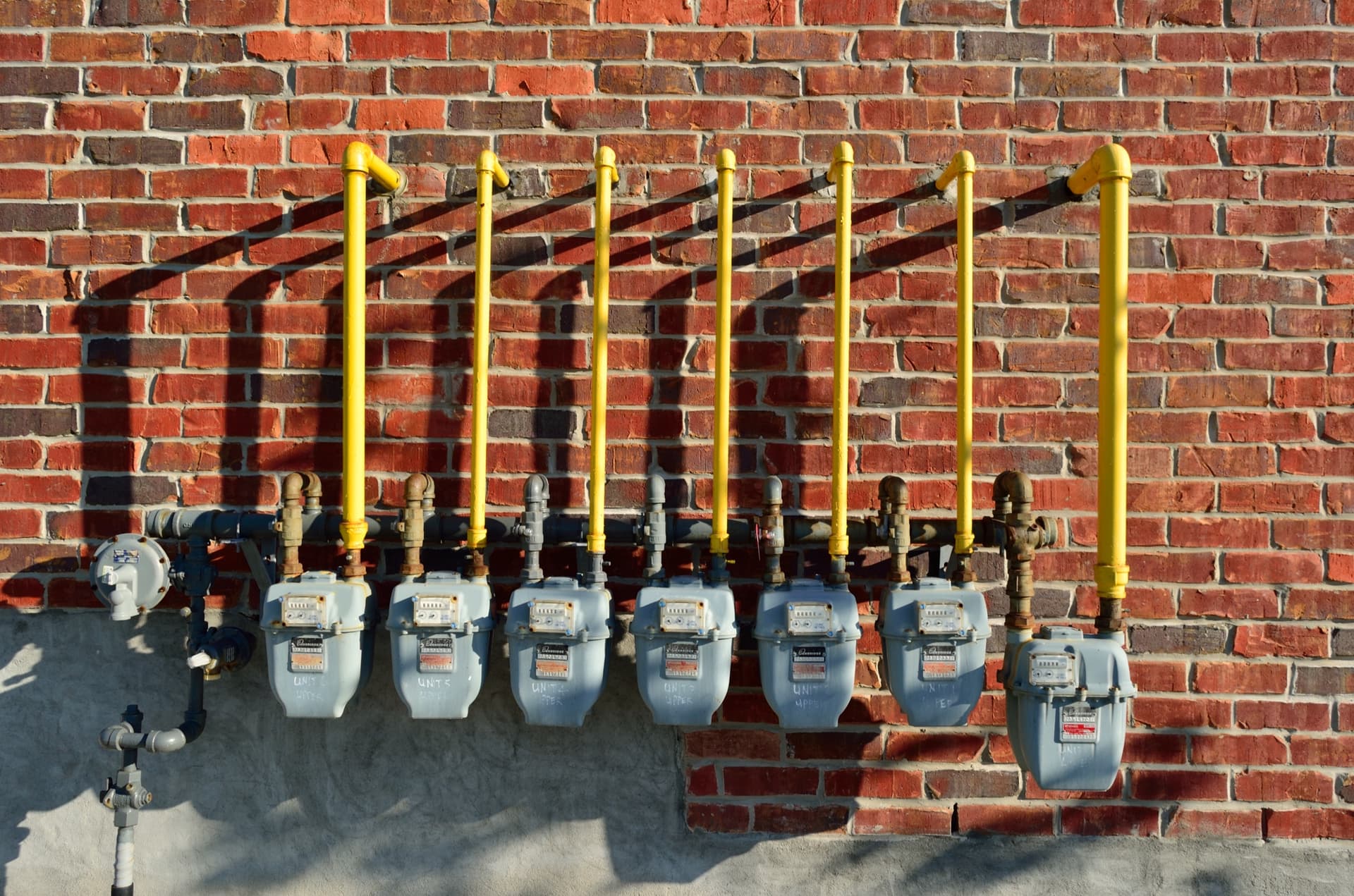
A gas heater needs a gas supply, and it needs to exhaust combustion products safely. That means flueing, ventilation and clearances, and it constrains where the unit can sit. In a large building this is planned in; in a retrofit it is often the deciding factor.
So which one?
Broadly: electric for smaller, intermittent demand and simple installations; gas for high, continuous volume where recovery rate matters and running cost dominates; heat pump where demand is steady and you are optimising long-term operating cost.
Most large buildings end up with a combination. Tell us what your building does and we will size the right mix around it.